Overview
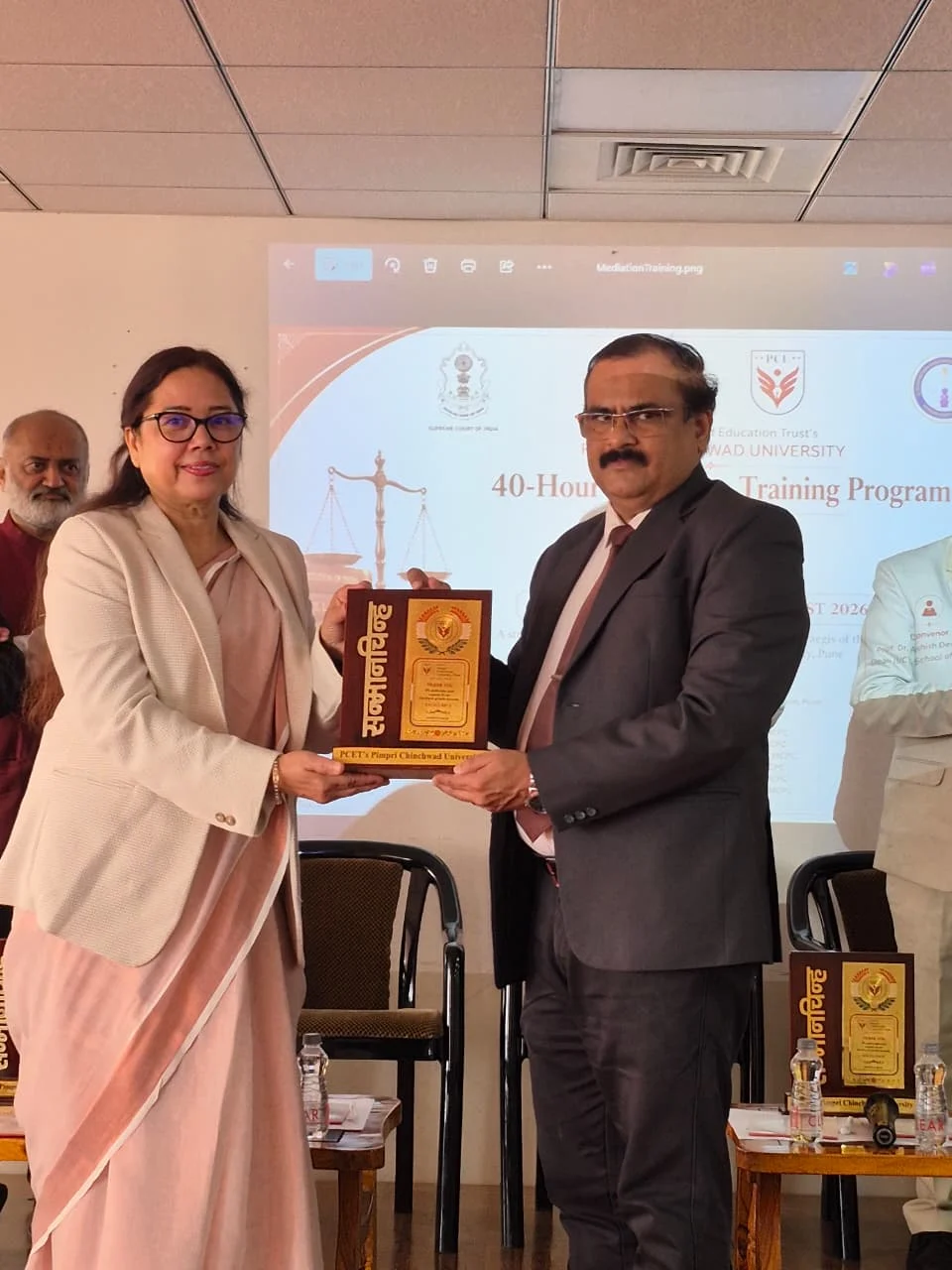
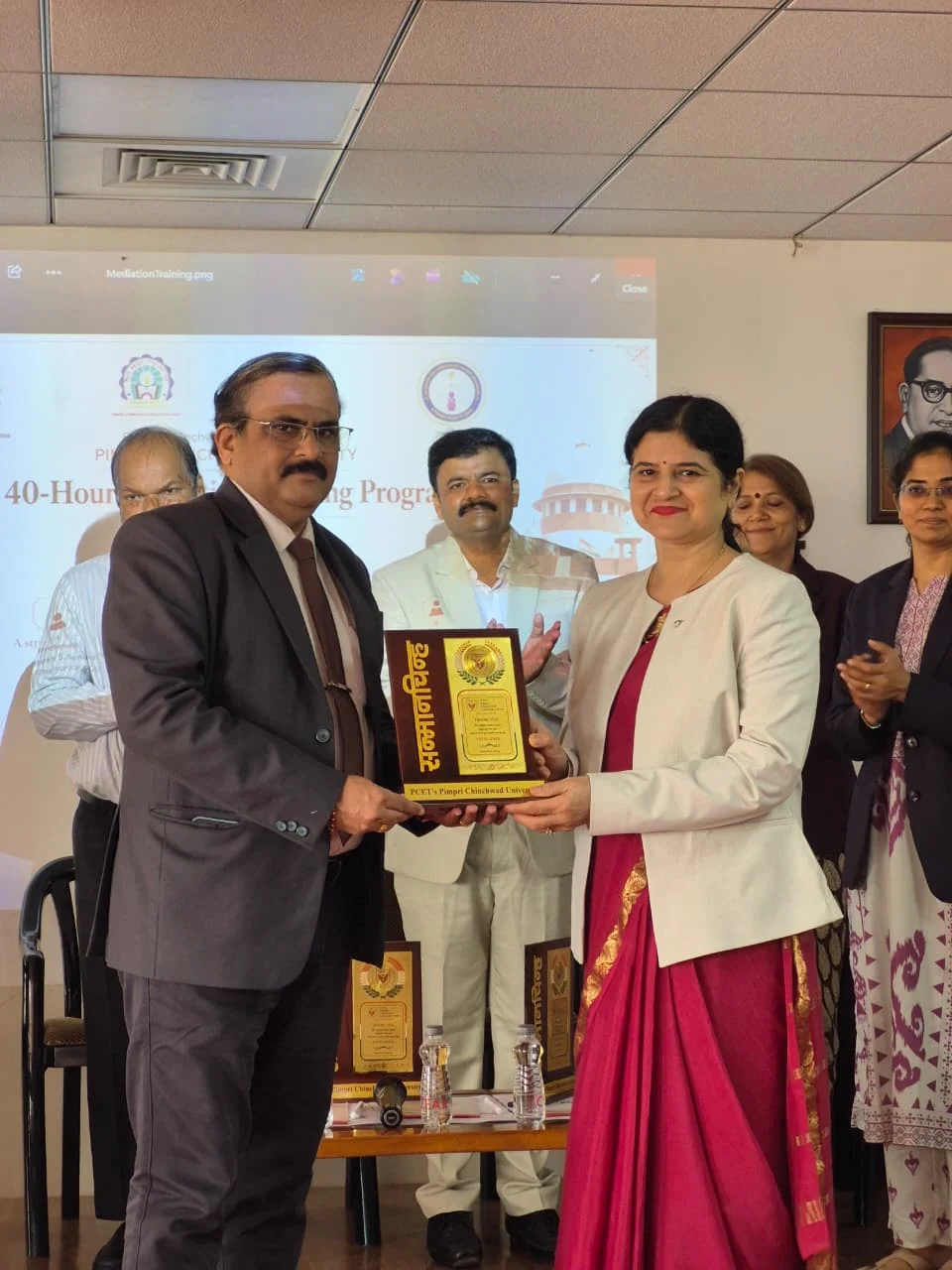
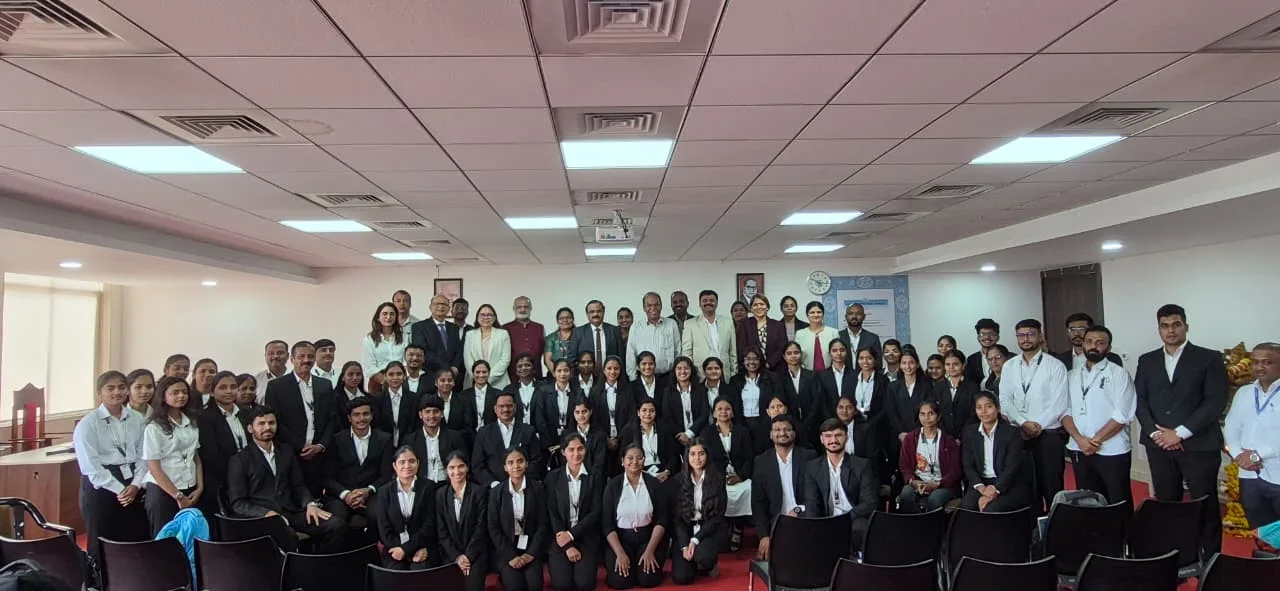
The School of Law, Pimpri Chinchwad University, in association with the Mediation and Conciliation Project Committee (MCPC), Supreme Court of India, successfully organised a five-day, 40-Hour Mediation Training Programme on “Concept & Techniques of Mediation” from 1 to 5 August 2026.
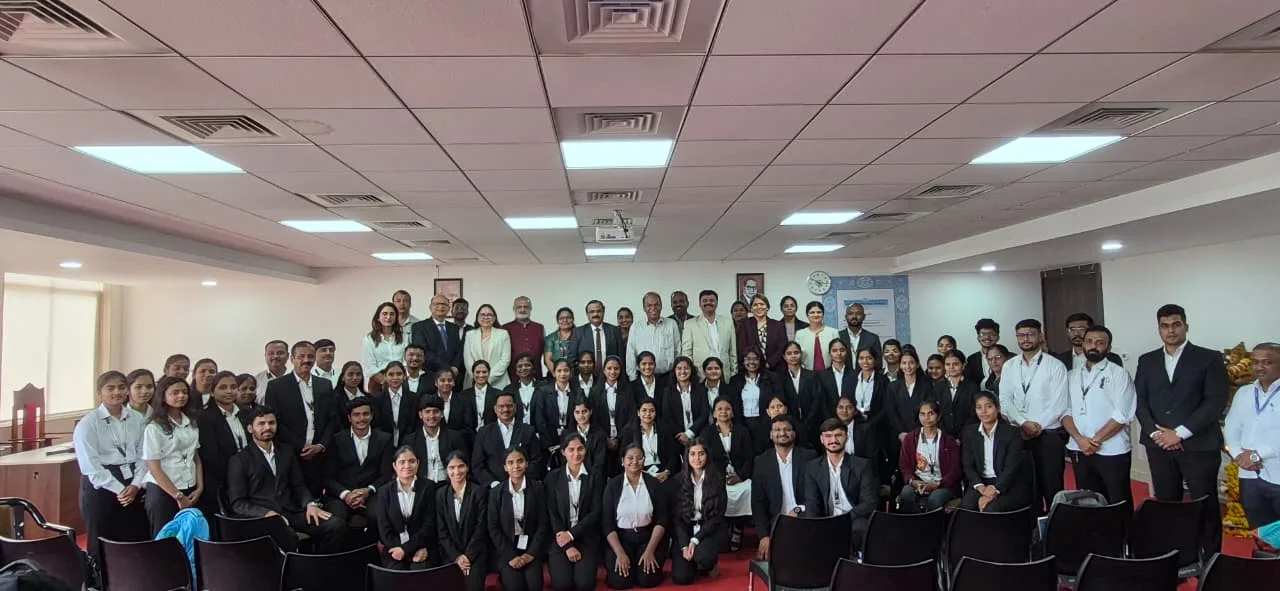
The offline programme was designed to provide law students with comprehensive theoretical knowledge, practical exposure and professional understanding of mediation and alternative dispute resolution. A total of 65 students participated in the programme, divided into two batches to facilitate effective interaction and hands-on learning.
Inaugural Session
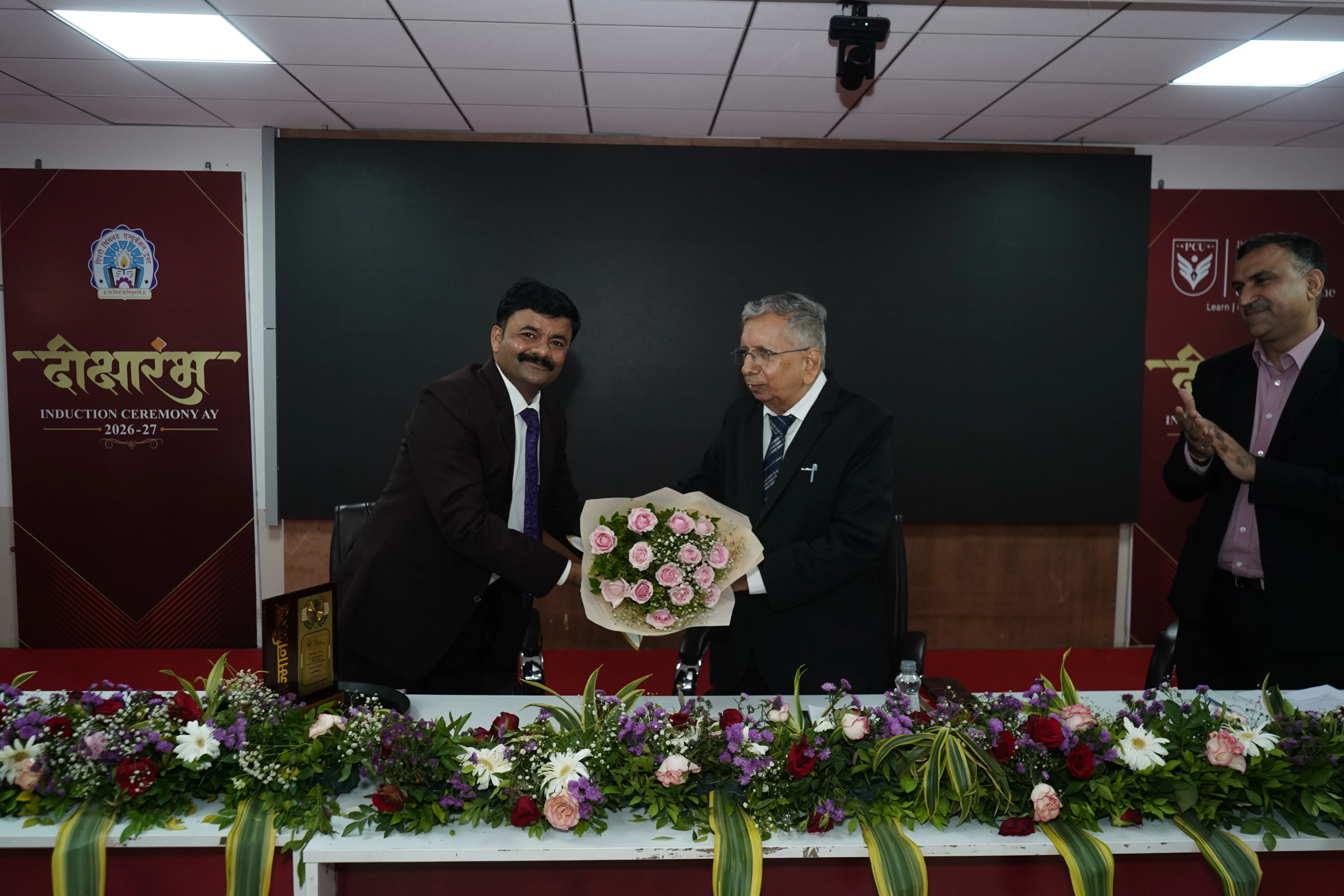
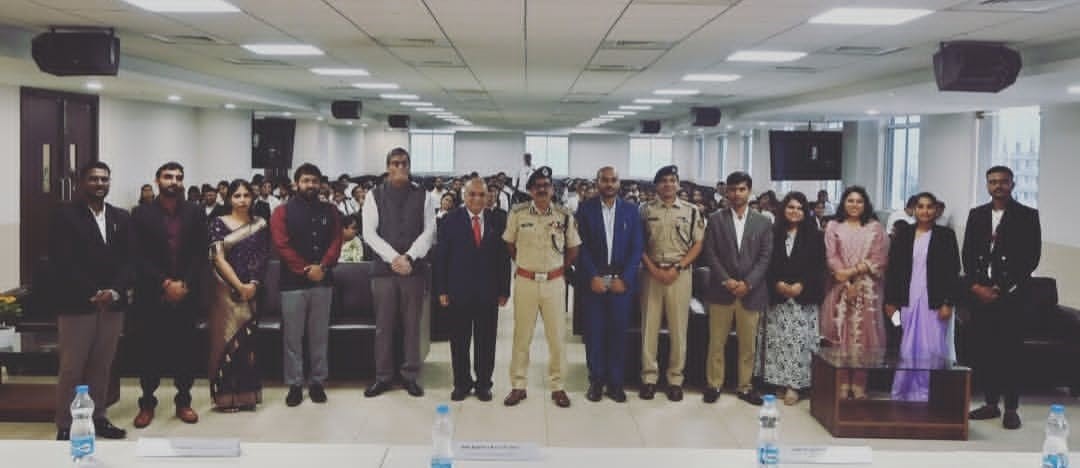
The programme commenced with the inaugural session on 1 August 2026 at the Moot Court Hall, Fifth Floor, Administrative Building, Pimpri Chinchwad University. The session was presided over by Dr. Santosh Sonavane, President of the Programme.
The Chief Guest, Shri Dattatray K. Anbhule, District Judge-1 & Additional Sessions Judge, Vadgaon, Pune, addressed the participants and highlighted the growing significance of mediation in the contemporary justice-delivery system. He encouraged students to develop qualities essential for effective mediators, including patience, active listening, impartiality, neutrality, empathy, effective communication and problem-solving ability.
The programme also featured distinguished MCPC trainers and resource persons, including Adv. Prathmesh Popat, Adv. Pramila Acharya, Sr. Adv. Hamida Siddiqui, Adv. Akansha Jain, Adv. Sanjay Poptani and Adv. Anubhuti Marhas.
Prof. (Dr.) Ashish Deshpande, HOD and Dean (I/C), School of Law, PCU, delivered the Welcome Address and highlighted the importance of mediation education and practical exposure for law students. Dr. Santosh Sonavane encouraged participants to actively engage in lectures, discussions, role plays and practical exercises while developing a professional approach to dispute resolution.
Five Days of Experiential Learning
The training programme progressed from foundational concepts of conflict and ADR to advanced mediation and negotiation techniques.
Students explored:
· Conflict management and resolution· Alternative Dispute Resolution (ADR)
· Mediation processes and stages
· Communication and active listening
· Negotiation and bargaining
· Impasse management
· Mediation strategies
· Professional ethics
· The role of lawyers, mediators and referral judges
· Neutrality, impartiality and empathy
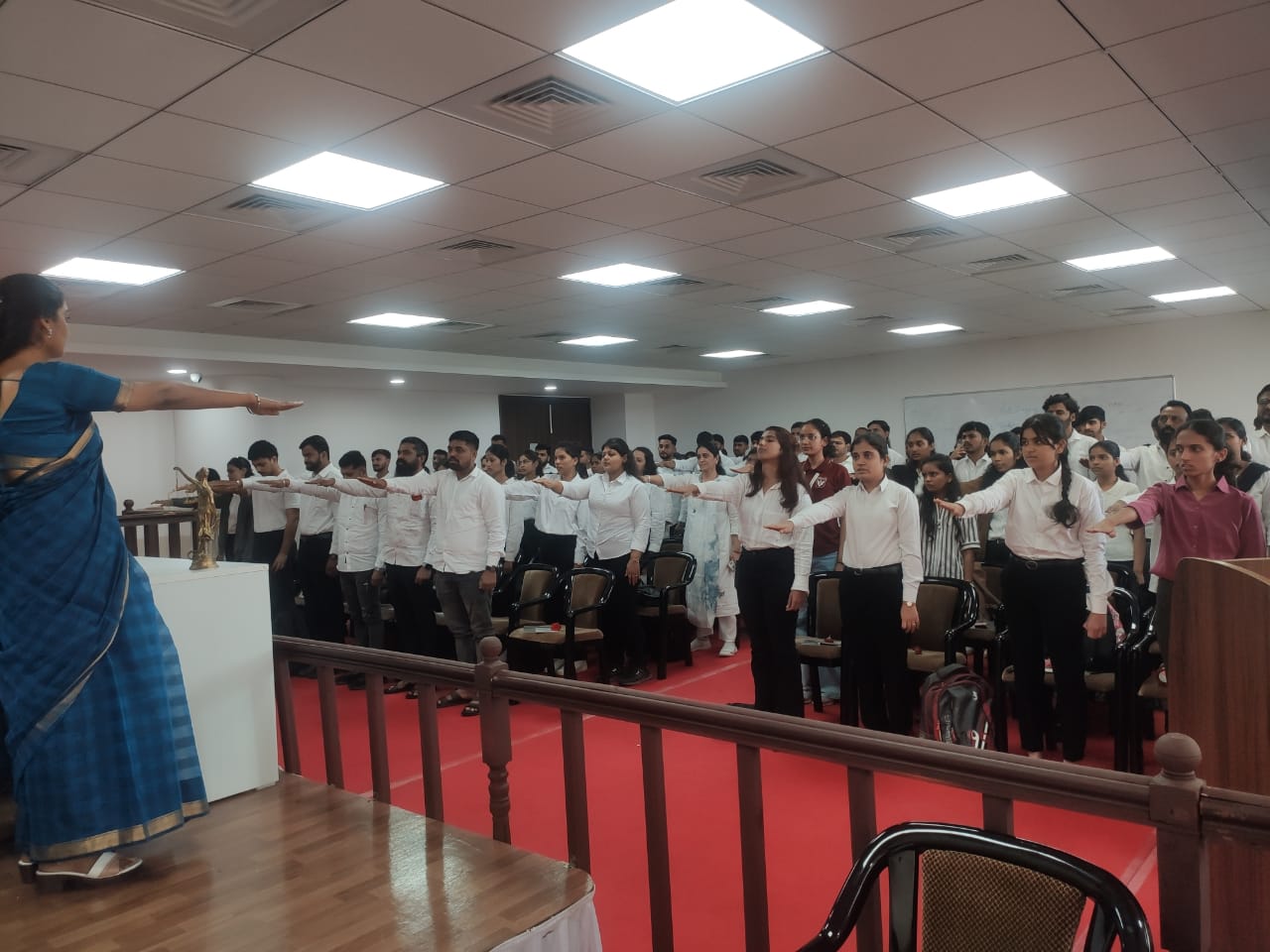
The programme adopted an experiential approach through role plays, mediation simulations, negotiation exercises, communication activities, active-listening exercises, brainstorming, lateral thinking, group discussions, interactive sessions and practical demonstrations. These activities enabled students to translate theoretical concepts into practical mediation skills.
Building Professional Skills
Through the five-day training, students developed skills in active listening, paraphrasing, summarising, neutral reframing, questioning, empathy, joint sessions, caucusing, identifying interests, generating options, reality testing, managing emotions and resolving impasses.The programme also strengthened negotiation and ethical skills, including interest-based negotiation, confidentiality, impartiality, neutrality, self-determination, conflict-of-interest management and professional competence.
Valedictory Session
The programme concluded with a valedictory session on 5 August 2026, graced by Mrs. Revati Deshpande, Member Secretary, District Legal Services Authority, Pune.Addressing the students, Mrs. Deshpande emphasised the importance of mediation in the justice-delivery system and encouraged students to develop mediation as an important professional skill. She highlighted active listening, patience, empathy, neutrality, impartiality, confidentiality, communication, negotiation and ethical conduct as essential qualities for effective mediation.
A Step Towards Practice-Oriented Legal Education
The 40-Hour Mediation Training Programme provided students with a valuable combination of theoretical understanding, practical exposure and professional guidance. The participation of experienced MCPC Senior and Potential Trainers, combined with batch-wise training and extensive role plays, enabled students to gain confidence in applying mediation techniques in practical situations.The programme reflects the School of Law, PCU’s commitment to experiential and practice-oriented legal education, equipping future legal professionals with the communication, negotiation, empathy, problem-solving and ethical skills required for effective and amicable dispute resolution.
Building Skills. Resolving Conflicts. Shaping Future Legal Professionals.