



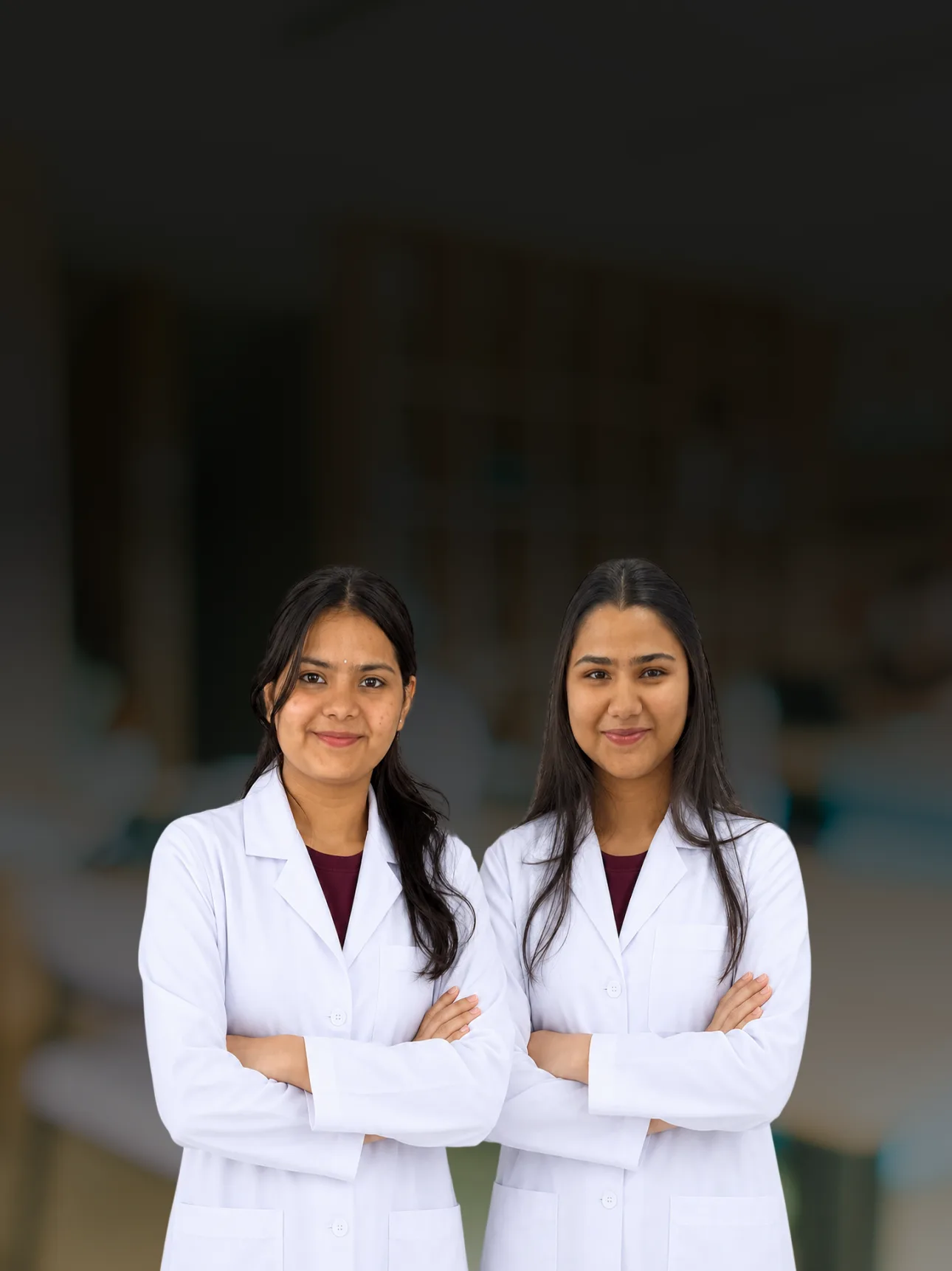

Psychological testing and psychometric tools (introductory)
About B.Sc. Clinical Psychology
A science‑based undergraduate degree in understanding
and assessing human behaviour.
B.Sc. Clinical Psychology is a three‑year undergraduate programme that introduces students to the scientific study of mental health, human behaviour, and psychological assessment.
The curriculum combines foundational psychology, research methods, and experiential learning, preparing students for further study in clinical or counselling psychology or related health and wellness fields.

Why Choose B.Sc. Clinical Psychology at PCU?
Build a strong scientific foundation in human behaviour and mental health.
B.Sc. Clinical Psychology at PCU is ideal for students interested in how the mind works, mental health, and helping others through evidence‑based approaches. The programme combines classroom learning with practical exposure and research, allowing students to build counselling‑aligned competencies before pursuing postgraduate or professional training.

How the Programme Progresses
From foundational psychology to behavioural‑science practice. B.Sc. Clinical Psychology is structured to build knowledge and skills progressively across four years. Students begin with core psychological foundations, advance into neuroscience and psychopathology, deepen counselling and research capabilities, and complete the programme with specialised clinical practice, rehabilitation, and a research thesis.
Foundational psychology, human anatomy, developmental and social perspectives, with communication and professional ethics.
Semester I
- Fundamentals of Psychology
- Fundamentals of Psychology – Lab
- Basics of Human Anatomy
- Introduction to Developmental Psychology
- Introduction to Social Psychology
- Psychology and Social Issues
- Open Elective – I
- Basics of Computer Application
- UHV: Professional Ethics
- Applied Communication
Semester II
- Understanding Human Psychology
- Health Psychology
- Health Psychology – Lab
- Cognitive Psychology
- Cognitive Psychology – Lab
- Introduction to Individual Differences in Psychology
- Minor – I
- Open Elective – II
- Sales Negotiations and Conflict Management: CP
- Advanced Communication
- IKS: Indian Family System: The Concept, Practices and Current Relevance

Download Detailed Curriculum
School of Science
- B.Sc. – Clinical Psychology
Labs, Practical Classes & Psychological Training
From lab‑based experiments to assessment and case studies.
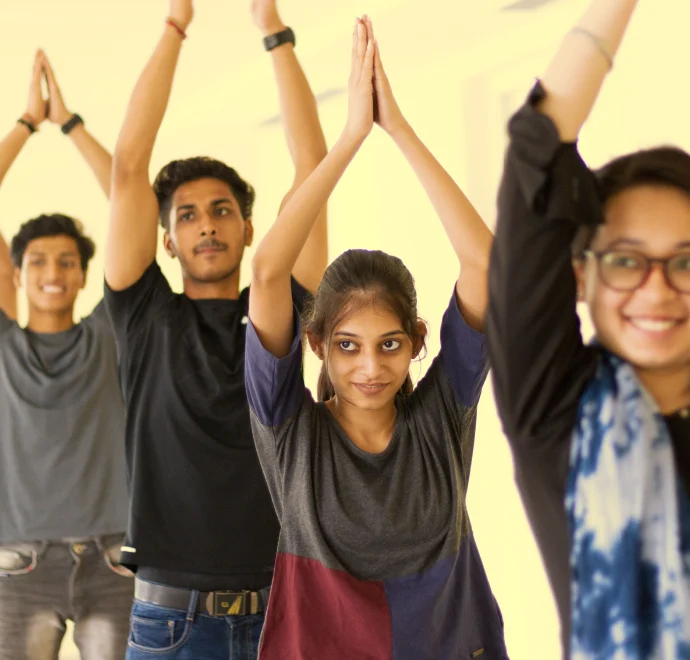
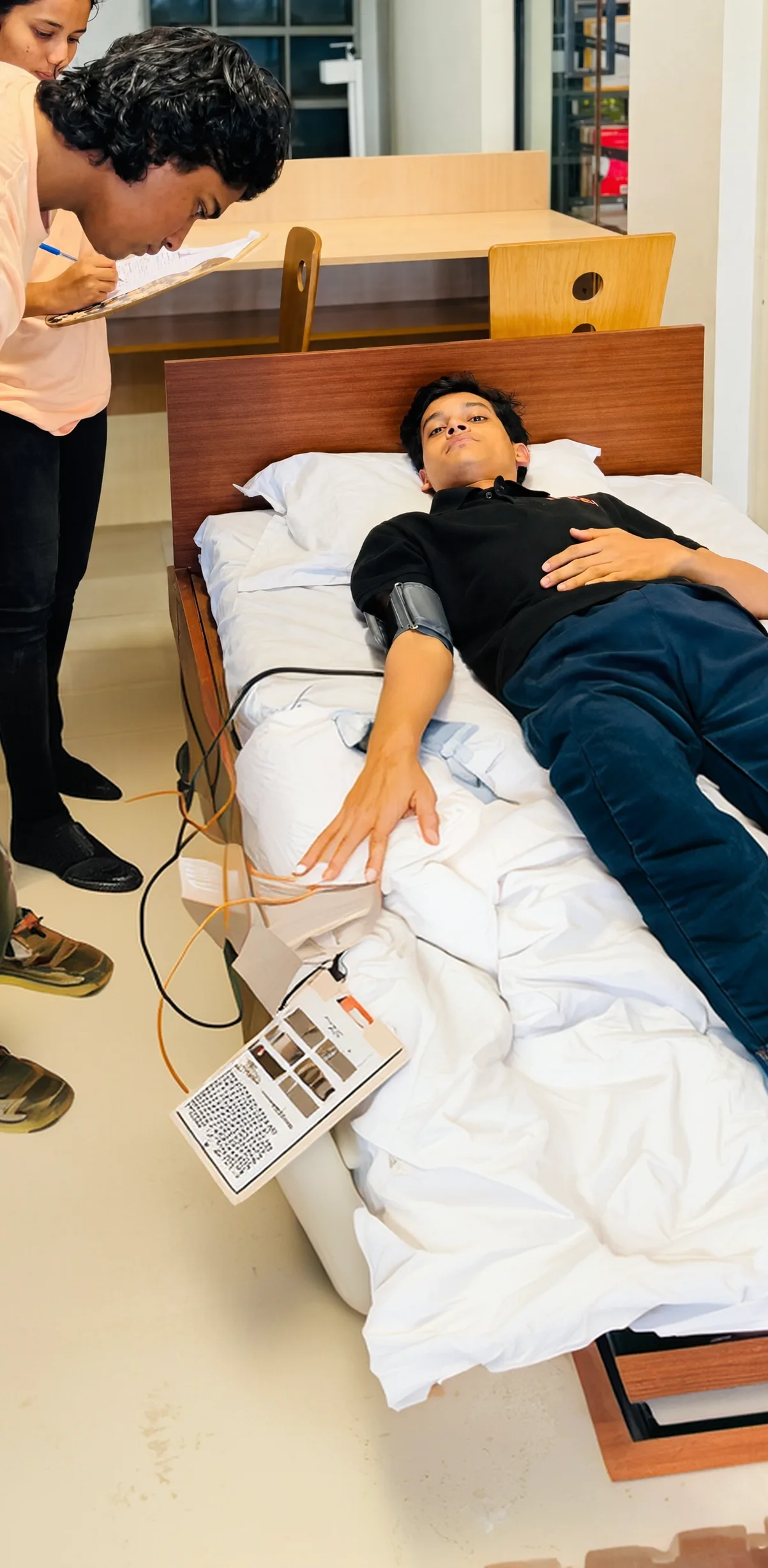
Students gain hands‑on experience through psychology labs, practical exercises, and case‑based learning. They work with assessment tools, simulated interviews, and observational methods under faculty guidance, developing basic skills in understanding behaviour and psychological functioning.
Practical Training Includes

Observation and interview‑based tasks

Case‑based learning and small‑scale research projects
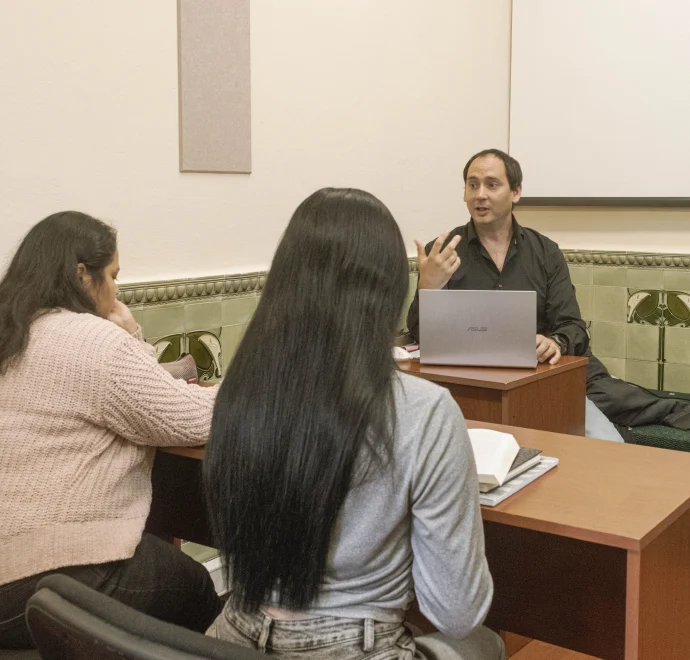
Basic counselling‑oriented communication and empathy‑building exercises
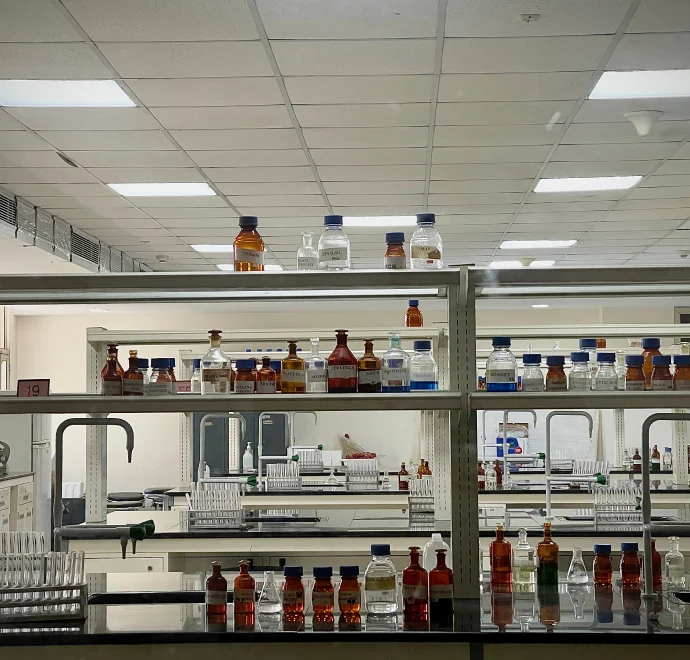
Integration with School of Science labs where applicable (e.g. health‑assessment or research spaces)

What B.Sc. Clinical Psychology Covers
Foundations of Psychology (General, Developmental, Social)
Mental Health & Abnormal Psychology
Psychological Assessment & Testing (introductory)
Cognition & Behaviour
Research Methods & Data Analysis in Psychology
Ethics in Psychological Practice


Foundations of Psychology (General, Developmental, Social)
Mental Health & Abnormal Psychology
Psychological Assessment & Testing (introductory)
Cognition & Behaviour
Research Methods & Data Analysis in Psychology
Ethics in Psychological Practice
Skills Developed in B.Sc. Clinical Psychology
From observation to communication and scientific reasoning.
By the end of the programme, students will be able to observe, describe, and interpret human behaviour using scientific methods and basic psychological concepts.
Key Skills

Understand core psychological concepts and theories
Read and interpret psychological tests and basic assessment tools (introductory level)
Apply research methods and basic data analysis to psychological questions
Communicate empathetically and professionally in human‑interaction contexts
Prepare for further study in clinical psychology, counselling, or related health fields

Field Experience & Practical Learning
Community, healthcare, and research‑linked psychology practice.
Students participate in internships, health camps, case‑based projects, and research‑oriented activities in collaboration with healthcare organisations, wellness centres, and research partners. These experiences help students apply psychological concepts in real‑world settings and build observational and interpersonal skills.

Career Pathways after B.Sc. Clinical Psychology
Roles and further studies in psychology, mental health, and wellness.
B.Sc. Clinical Psychology is primarily a foundation for advanced study and related careers in psychology and mental‑health fields. Graduates often pursue postgraduate degrees (M.Sc. Clinical Psychology, M.Sc. Psychology, M.Phil., etc.) or professional courses in counselling and related fields.
Roles

Clinical Psychologist (with further study)
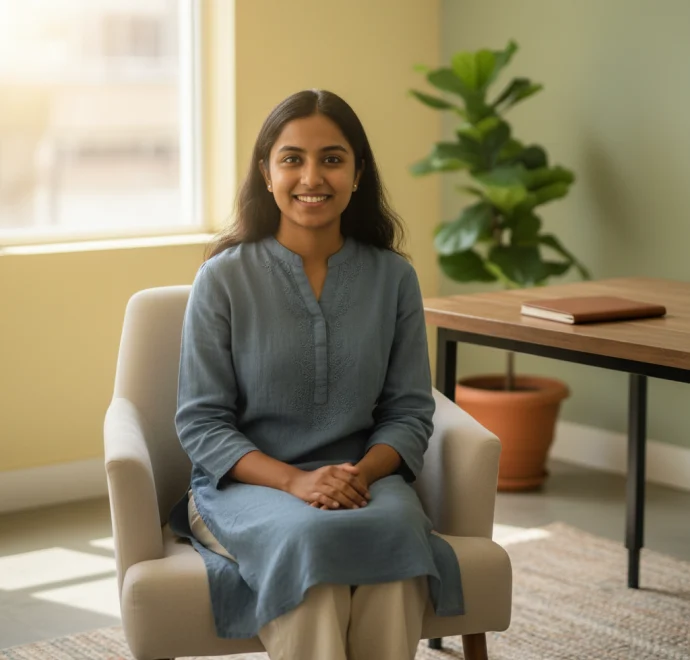
Counsellor or Mental Health Professional

Research Assistant / Psychology Researcher

Human‑Resources or Counselling Assistant
Community‑based Mental Health Worker
View Career Opportunities
Admission & Eligibility
How to apply for B.Sc. Clinical Psychology.
Students must meet the general undergraduate eligibility criteria specified by PCU and the School of Science. Admission is typically through the undergraduate admission process, with selection based on academic performance and any additional criteria.
Eligibility

10+2 qualification (or equivalent) in Science or relevant stream, as specified by the university.
General proficiency in English and interest in psychology and mental health.

Admission Steps
- Step 01
Apply Online — Apply through the official PCU undergraduate admission portal.
- Step 02
Submit Documents — Submit documents (mark‑sheets, ID, etc.).
- Step 03
Interview or Orientation — If applicable, appear for an interview or orientation session.
- Step 04
Accept Your Offer — Accept the admission offer to confirm your place.

Frequently Asked Questions
No. It is an undergraduate foundation. Licensed clinical practice typically requires further postgraduate study and professional training.

Understand Minds,Serve Society at PCU
Take the first step toward a career in psychology and mental health.
B.Sc. Clinical Psychology at the School of Science, PCU, offers a strong foundation in human behaviour and mental health, preparing you for advanced study and related roles. Join us to combine scientific rigour with compassionate understanding in a rapidly growing field.
