


Strong foundation in mechanical, electronics, and computing fundamentals
Designing smart machines and intelligent systems that combine mechanics, electronics, control engineering, and AI-driven automation. From industrial robotics to advanced automated solutions, we create technologies that improve efficiency, precision, and innovation across modern industries.
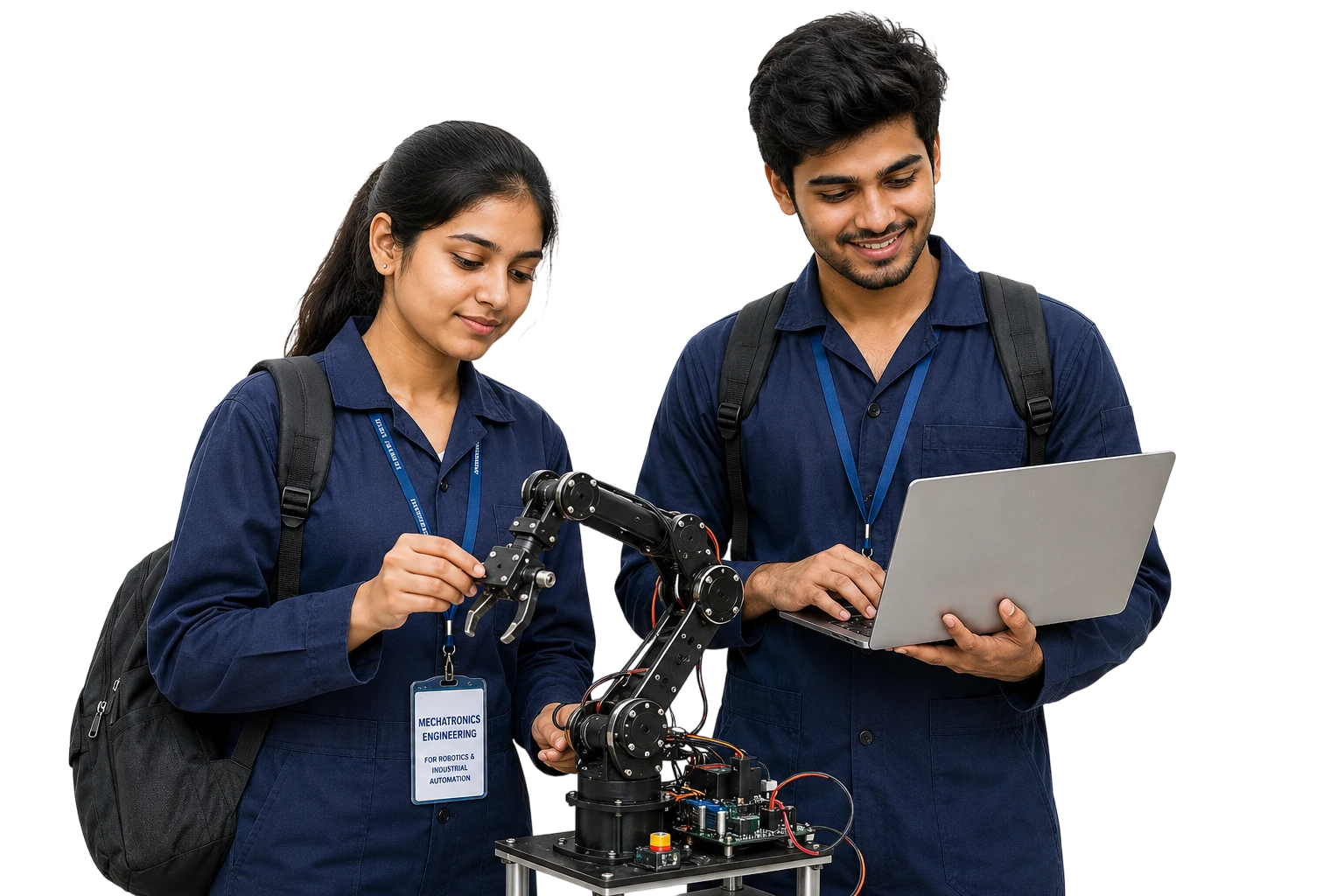
The Mechatronics (Robotics & Automation) programme is designed to equip students with multidisciplinary knowledge in mechanical engineering, electronics, control systems, embedded technology, and intelligent automation. The curriculum combines theoretical learning with practical applications to prepare students for the rapidly evolving world of smart manufacturing and advanced robotics.
Students gain hands-on experience in robotics design, industrial automation, programmable logic controllers (PLC), IoT systems, artificial intelligence, and autonomous technologies. Through laboratory work, industry-focused projects, and real-world problem solving, the programme develops strong technical, analytical, and innovation-driven skills.
With a focus on Industry 4.0 and future-ready technologies, the programme prepares graduates for careers in robotics engineering, automation systems, manufacturing, automotive technology, aerospace, and smart industrial solutions. It also provides a strong foundation for research, entrepreneurship, and higher studies in emerging engineering domains.
Strong foundation in mechanical, electronics, and computing fundamentals

Specialized courses in Robotics & Industrial Automation

Hands-on learning through projects, labs, and internships

Exposure to sensors, actuators, PLCs, and control systems

Focus on emerging technologies like AI for robotics and smart manufacturing

Opportunities for research, innovation, and industry collaboration
Strong foundation in mechanical, electronics, and computing fundamentals
Specialized courses in Robotics & Industrial Automation
Hands-on learning through projects, labs, and internships
Exposure to sensors, actuators, PLCs, and control systems
Focus on emerging technologies like AI for robotics and smart manufacturing
Opportunities for research, innovation, and industry collaboration
The programme offers specialized learning tracks that allow students to develop expertise in key areas of modern engineering and automation. Students can explore domains such as Industrial Robotics, Embedded Systems, Artificial Intelligence, IoT & Smart Automation, Control Systems, and Advanced Manufacturing Technologies.
Each specialization is designed to provide practical skills, industry exposure, and hands-on project experience aligned with emerging technology trends:

Learn robot kinematics, dynamics, manipulation, path planning, and industrial robot programming.

Focus on PLC, SCADA, HMI, pneumatic and hydraulic systems used in modern manufacturing.

Develop intelligent embedded solutions using microcontrollers, sensors, and real-time platforms.

Apply AI and machine learning to intelligent machines, predictive systems, and automation.

Build connected automation solutions using IoT devices, sensors, and smart control systems.

Develop autonomous machines using intelligent sensing, navigation, planning, and control.

Design and operate industrial control solutions using PLC, SCADA, and HMI platforms.

Explore connected factories, digital manufacturing, and computer-integrated production.

Develop expertise in sensing, measurement, data acquisition, and industrial instrumentation.

Study electric drives, vehicle automation, intelligent mobility, and embedded control.

Use image processing and machine vision for inspection, navigation, and robotic intelligence.

Program, simulate, test, and optimize robotic systems in virtual and physical environments.

Design intuitive interfaces for monitoring and controlling intelligent industrial systems.

Integrate computation, communication, sensing, and physical processes in smart systems.

Design integrated mechanical, electronic, control, and software systems for complex applications.
These focused pathways help students build strong technical foundations and prepare for diverse career opportunities in robotics, automation, and intelligent systems engineering.



Ideal for students interested in robotics, automation, and smart machines

Built for learners who enjoy interdisciplinary problem-solving

Pathways into robotics, manufacturing, and Industry 4.0 careers

Enhance employability with job-ready automation and robotics skills
The curriculum is designed to provide a balanced blend of theoretical knowledge, practical learning, and industry-oriented training in robotics and automation technologies. Students engage in hands-on laboratory sessions, real-time projects, workshops, and simulation-based learning to develop strong technical and problem-solving skills. The programme emphasizes interdisciplinary learning across mechanical systems, electronics, programming, AI, and intelligent control systems.
Engineering mathematics, engineering physics, programming fundamentals, basic electronics, mechanical engineering principles, and introduction to robotics & automation systems.
Core Subjects


The programme offers strong industry integration through global certification platforms, internships, workshops, and experiential learning opportunities in collaboration with leading technology and skill-development organizations. Students gain access to industry-recognized certifications, real-world projects, and professional training programmes that enhance technical expertise and career readiness.
Certification & industry learning partners include Google Certifications, Red Hat Academy, SAP Certification Programs, Internshala Training, EduSkills Foundation, Coursera Learning Programs, Harvard Business Case Studies, LinkedIn Learning, NPTEL Certifications, NSE Academy, and KOSME Industry Programs.
These collaborations help students develop industry-relevant skills, global exposure, and professional competencies aligned with emerging technology trends.
Why This Matters

Google Certifications

Red Hat Academy

SAP Certification Programs

Internshala Training

EduSkills Foundation
Coursera Learning Programs
Harvard Business Case Studies
LinkedIn Learning
NPTEL Certifications
NSE Academy

KOSME Industry Programs
Explore certification opportunities and gain the skills, experience, and credentials that employers value.



Enhanced employability and industry readiness

Practical exposure beyond classroom learning

Strong professional network and mentorship opportunities

Better understanding of real-world robotics and automation applications
Globally recognized certifications to boost career prospects
Graduates of the Mechatronics (Robotics & Automation) programme are prepared for dynamic careers in robotics, industrial automation, intelligent manufacturing, embedded systems, and smart technology industries. The programme develops strong technical, analytical, and innovation-focused skills required for roles in robotics engineering, control systems, AI-driven automation, and advanced production systems. Students also gain a solid foundation for entrepreneurship, research, and higher studies in emerging engineering and automation domains.
Graduates of this programme may pursue roles such as:
Additionally, students can opt for higher education or specialized certifications to further enhance their expertise and career prospects.
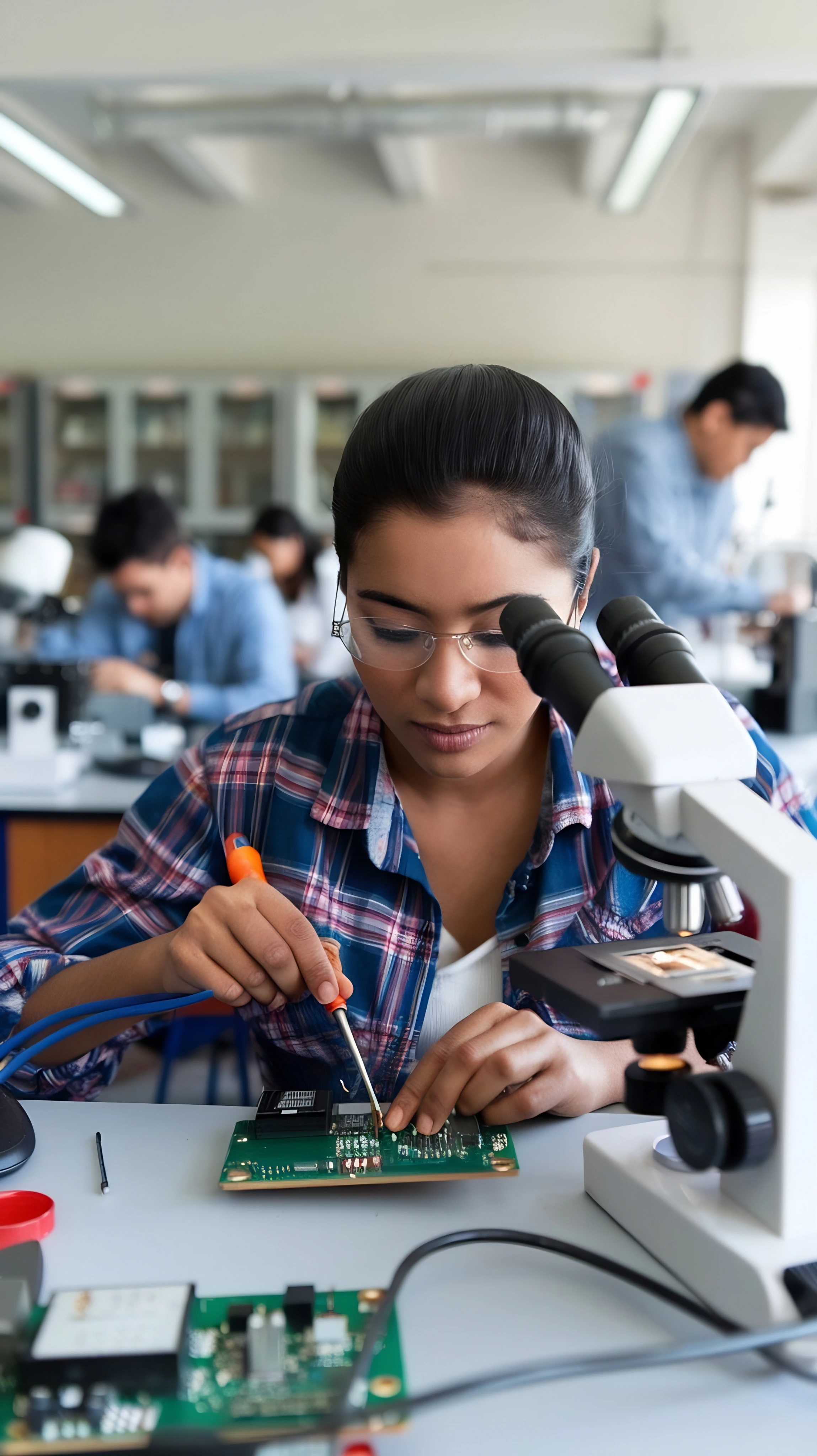
Our faculty members bring strong academic backgrounds, research expertise, and industry experience to guide students throughout their academic journey.
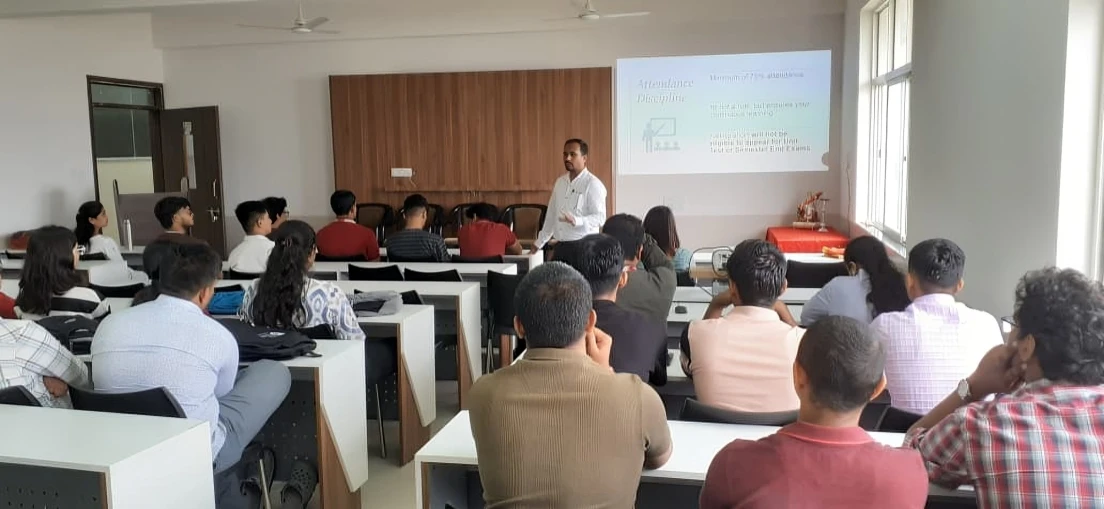
With a passionate team of faculty, modern infrastructure, and partnerships with industry, our department cultivates an engaging educational environment that combines academic rigor with practical experience.
At PCU, we prioritize hands-on learning, research-based teaching, and interdisciplinary projects that enable students to innovate and address real-world issues.

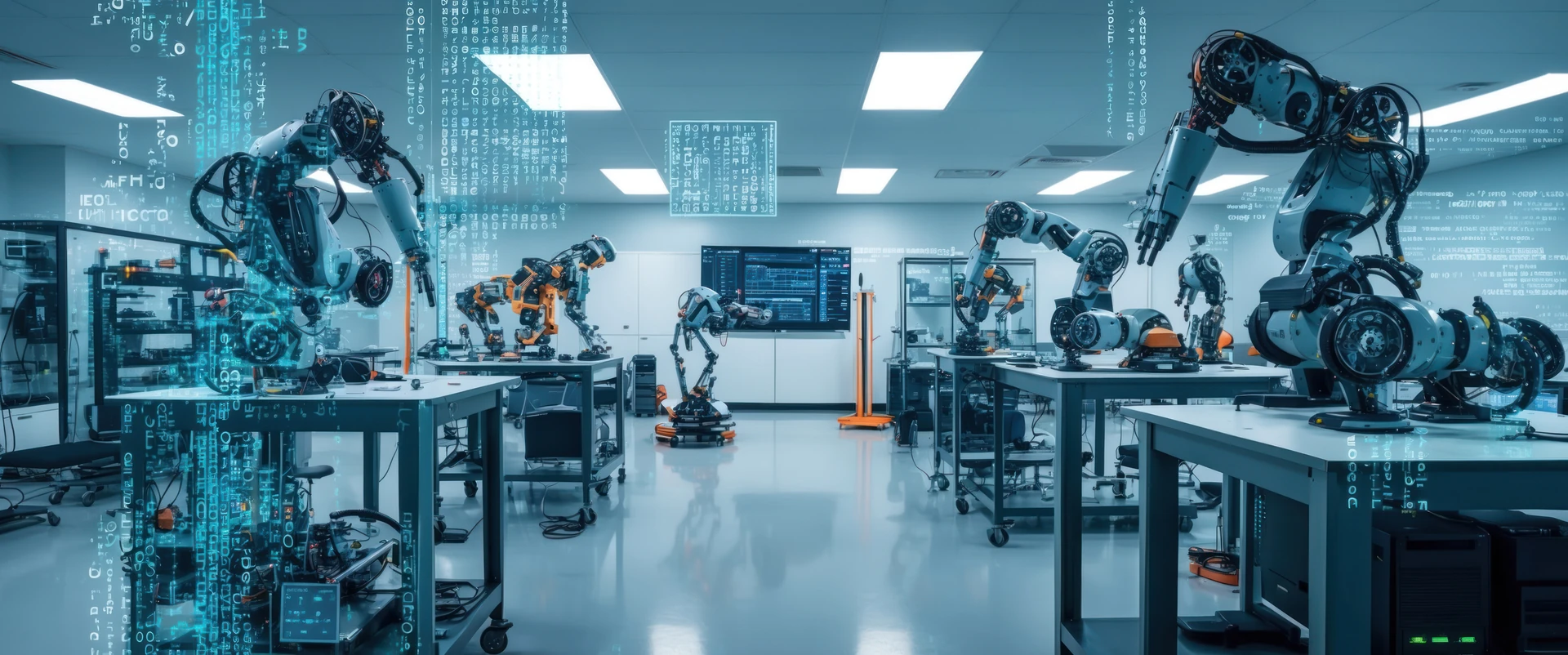
The programme provides access to advanced laboratories and modern learning infrastructure designed to support practical innovation and hands-on technical training. Students work with industrial robotics systems, PLC & SCADA platforms, embedded development kits, IoT devices, automation tools, and simulation software to gain real-world experience. Dedicated labs for robotics, control systems, electronics, and intelligent automation enable students to experiment, design, and develop industry-ready solutions. The learning environment encourages creativity, research, collaboration, and technology-driven problem solving aligned with modern industrial standards.

Electronics & Embedded Systems Labs — Practical training in analog and digital electronics, microcontrollers, embedded programming, sensor interfacing, and intelligent electronic system development.

Electrical & Automation Labs — Hands-on experience with electrical machines, control systems, PLC programming, industrial automation, motor drives, and power electronics applications.

Mechatronics & Robotics Labs — Advanced learning in robotics, automation systems, pneumatic & hydraulic control, IoT integration, autonomous systems, and smart manufacturing technologies.

Physics & Applied Science Labs — Experimental learning in engineering physics, material science, optics, mechanics, and electromagnetic principles to build strong scientific foundations.


Students interested in this programme must fulfill the prescribed academic eligibility criteria and complete the application process through the PCU Admissions Portal. Admissions are based on merit and valid entrance examination scores as per university guidelines. Eligible candidates are encouraged to apply early to secure admission in this future-focused engineering programme.
Applicants must fulfill the following requirements:

Passed 10+2 (or equivalent examination) from a recognized board
Physics and Mathematics must be compulsory subjects
One additional subject: Chemistry, Computer Science, Electronics, Information Technology, Biology, Biotechnology, Technical Vocational Subject, Agriculture, Engineering Graphics, Business Studies, or Entrepreneurship
Minimum 45% marks in the qualifying examination (40% for reserved category candidates)
Valid score in MHT-CET, JEE, PERA, CUET, another State/National Level Engineering Entrance Exam, or the PCU Entrance Test
Admission is granted through merit-based selection
Find answers to common questions related to the programme, curriculum, and admission process.
Mechatronics is a multidisciplinary field that combines mechanical engineering, electronics, computer programming, control systems, and automation technologies to design intelligent machines and smart systems.
Step into the future of intelligent engineering with the Mechatronics (Robotics & Automation) programme. Gain industry-ready skills in robotics, automation, AI, embedded systems, and smart technologies through hands-on learning and real-world innovation. Build the expertise to design, develop, and lead the next generation of intelligent systems and automated solutions.